


Why Your Teeth Hurt When You Fly (And What to Do About It)
- Home
- Why Your Teeth Hurt When You Fly (And What to Do About It)
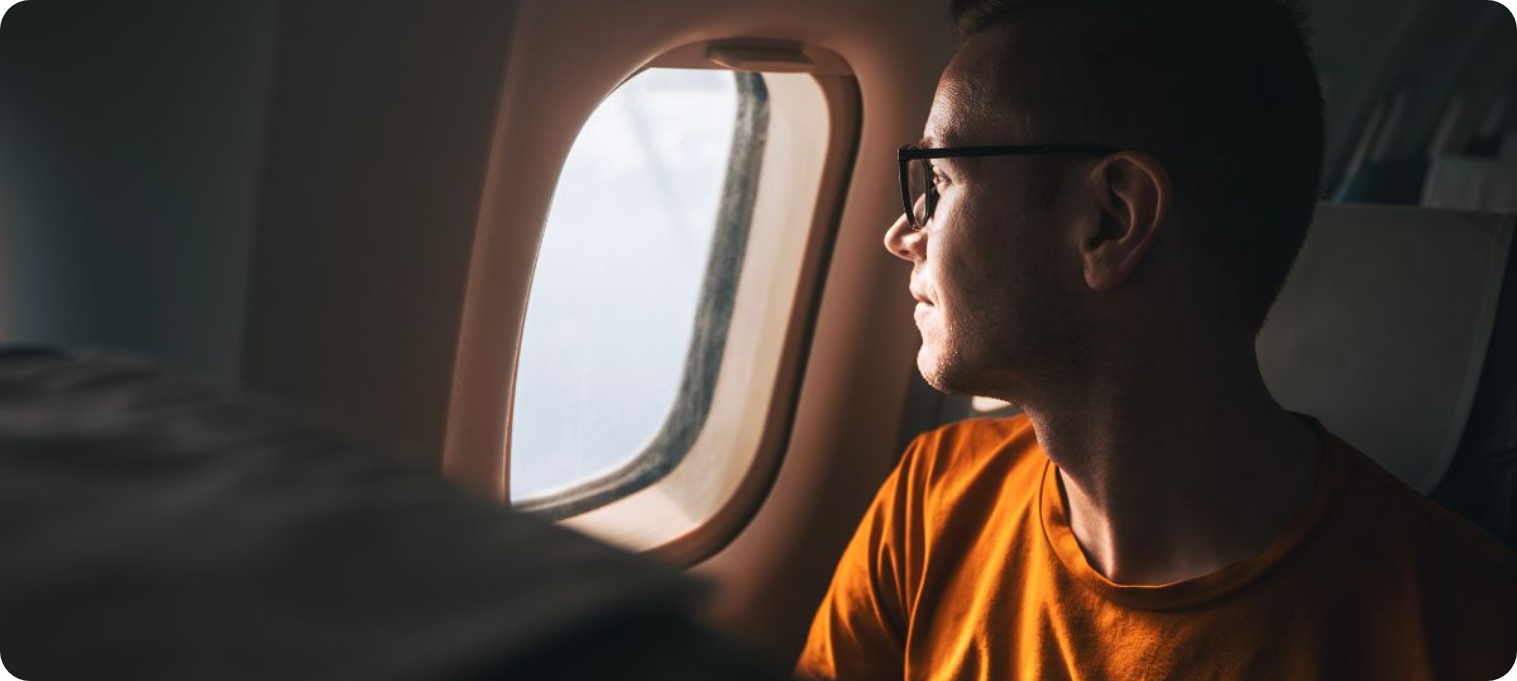
If you’ve ever felt a sudden twinge in your tooth while a plane is taking off or landing, it can be unsettling. One minute everything feels fine, and the next there’s a sharp ache that makes you wonder if something’s seriously wrong. You’re definitely not the only one this happens to, and in most cases, there’s a fairly simple explanation.
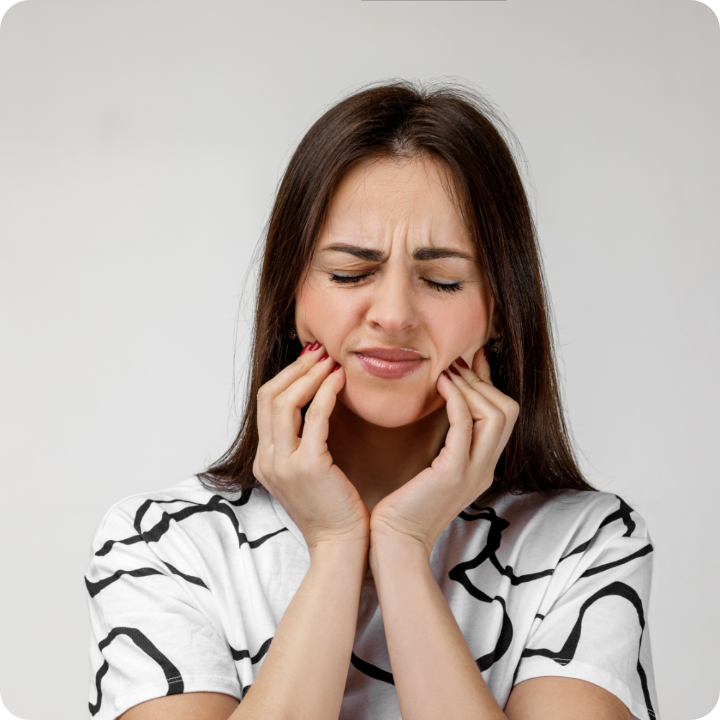
Tooth pain during flights is more common than people realise. It doesn’t always mean there’s a major dental problem, but it can be a sign that something small is going on beneath the surface.
So, what’s Actually Causing the Pain?
The short answer is pressure.
As a plane climbs or descends, the air pressure inside the cabin changes. Those pressure shifts affect air-filled spaces in your body, including your sinuses and, sometimes, tiny spaces inside your teeth.
Healthy teeth usually handle these changes without any drama. But if there’s trapped air under a filling, near a crown, or inside a small cavity you didn’t know was there, the pressure can cause that air to expand or contract. That movement can trigger anything from a dull ache to a sudden, sharp pain that disappears just as quickly as it came.
When Flying Tooth Pain Is a Clue
For some people, the discomfort fades once the plane levels out. For others, it can be intense enough to feel alarming. When that happens, it’s often worth paying attention.
Pain during flights can point to things like a loose filling, a crack in the tooth, early decay, or even sinus-related pressure affecting the upper teeth. In a strange way, flying can act like a spotlight, highlighting dental issues that haven’t caused trouble at ground level yet.
If you notice the pain keeps happening, or always affects the same tooth, that detail can be helpful when you mention it to your dentist later.
A Few Things That May Help Mid-Flight
If you know flying tends to set off tooth pain for you, a few simple steps may help reduce discomfort. Staying hydrated can make a difference, as dehydration can heighten sensitivity. Some people find gentle jaw movement helps too; chewing gum, yawning, or swallowing during takeoff and landing can ease pressure changes.
If needed, an over-the-counter pain reliever before flying may also help, but it’s not a long-term solution.
When it’s Worth Booking a Check-Up
Even if the pain disappears as soon as you land, it’s still worth mentioning to your dentist, especially if it’s happened more than once. Flight-related tooth pain often points to a small issue that’s easier to manage early than later.
If flying has made you aware of a tooth that doesn’t feel quite right, a dental check-up can help identify what’s going on and prevent it from turning into something more uncomfortable down the track.

What Our Customer Say
Trustindex verifies that the original source of the review is Google. I wanted to find a local dentist after moving to the coast. I found Seabreeze Dental and am very happy with my choice. I’ve had a checkup followed up by fillings and ceramic overlays. Dr Dimple explains all the treatment options very well, including costs. She communicated each step during the procedures so I always knew what was coming next. Staff followed up the day after treatment to check that I was feeling okay post-treatment.Trustindex verifies that the original source of the review is Google. Amazing staff and all procedures are explained in detail and with careTrustindex verifies that the original source of the review is Google. On my first visit to Seabreeze Dental, I was cared for beautifully. I was able to get an appointment when needed and the result of my treatment has been excellent. Thank you Dr Dimple.Trustindex verifies that the original source of the review is Google. Great service, family friendly. Highly recommend.Trustindex verifies that the original source of the review is Google. Rhiannon was very proffessional cleaning my teeth,another fine job.Trustindex verifies that the original source of the review is Google. I am less than enthusiastic having needles and procedures. Dr. Dimple and staff were wonderfulTrustindex verifies that the original source of the review is Google. I am the biggest scaredy cat but Dr Dimple has changed that. The best.Trustindex verifies that the original source of the review is Google. Very professional service with time and attention to make my smile look perfect.Google rating score: 5.0 of 5, based on 233 reviews